Important Information for Visiting Manu National Park
Before traveling to Manu National Park, it is important to understand what makes this destination so unique — and how to enjoy it responsibly. Manu is one of the most biodiverse protected areas on Earth, home to pristine rainforest, incredible wildlife, and fragile ecosystems that must be respected at all times.
Manu National Park vs. Manu Biosphere Reserve
Manu National Park is a protected natural area managed by the Peruvian government. Its main purpose is to conserve untouched ecosystems while allowing regulated activities such as research, education, tourism, and recreation.
The Manu Biosphere Reserve, recognized by UNESCO, is a larger conservation area that includes:
- Manu National Park
- A buffer zone
- A transition zone
Together, these areas support conservation, education, sustainable tourism, and responsible development.
Lodges and Campsites
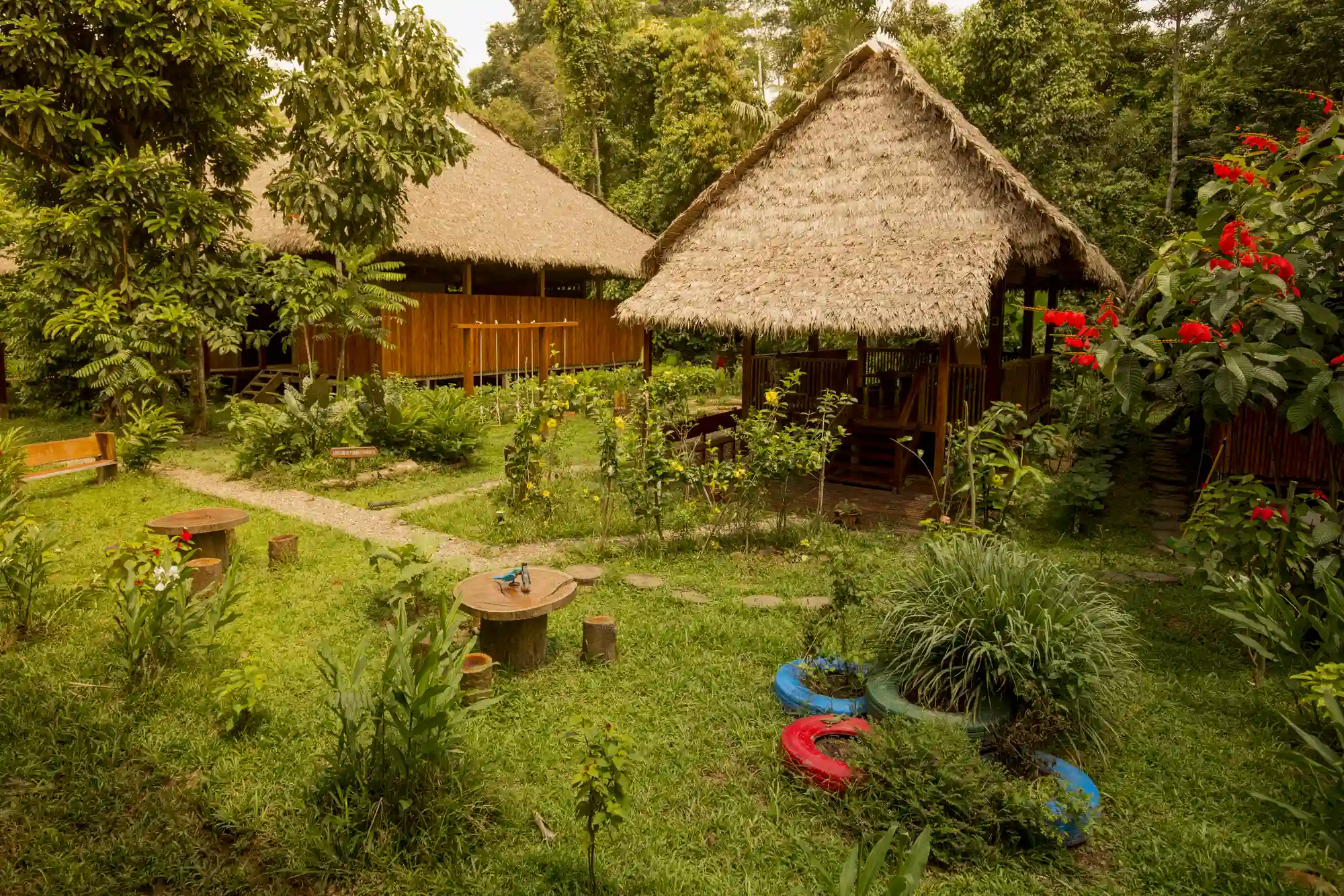
Lodges and campsites along the Manu River are built with local materials and designed to offer a comfortable jungle experience while maintaining harmony with the natural environment.
Facilities may include:
- Dining areas
- Toilets
- Showers
- Walking trails
- Beds with mosquito nets
Please note that lodge facilities may vary depending on the route and operator.
Drinking Water
Safe drinking water is provided during the tour. Depending on the operator and location, water may be bottled, filtered, boiled, or purified from local sources.
Your guide will explain where and when you can refill your bottle during the trip.
Physical Condition
There are no strict fitness requirements for visiting Manu, but travelers should be comfortable walking several kilometers on forest trails.
A basic level of fitness will help you enjoy jungle walks, wildlife observation, boat rides, and daily activities more comfortably.
Mosquitoes and Insect Protection
Mosquitoes are common in the Amazon. To stay comfortable, we recommend:
- Using strong insect repellent
- Wearing long-sleeved shirts
- Wearing lightweight long pants
- Bringing breathable clothing suitable for humid weather
Health and Tropical Disease Precautions
Tropical diseases such as yellow fever, malaria, and leishmaniasis exist in parts of southern Peru, but the risk for travelers in Manu is generally low when proper precautions are followed.
Before traveling, consult your doctor or travel clinic for personalized medical advice. Standard precautions include using repellent, wearing protective clothing, maintaining good hygiene, and drinking only safe water.
Best Time to Visit Manu
Manu National Park is open year-round, but the best time to visit is generally from April to November, during the drier season.
From February to March, heavy rains may affect roads, flights, river levels, and trail conditions. Some areas may become muddy or flooded, so travel flexibility is important during this period.
Encounters with Native Communities
Tourist contact with native communities inside the park is not permitted unless it is part of an authorized and regulated activity.
Encounters with isolated nomadic groups are extremely rare. If such a situation occurs, visitors must avoid contact and immediately inform the guide or park authorities.
Use Biodegradable Products
To help protect the rainforest ecosystem, we recommend bringing biodegradable soap, shampoo, and personal care products.
Small actions make a big difference in preserving Manu’s rivers, lakes, and forest life.
Climate in the Amazon
The Amazon region is warm and humid, but temperatures can vary. From May to June, cold fronts known locally as friaje can cause temperatures to drop suddenly.
Bring at least one warm layer, especially if traveling during this period.
Swimming Restrictions
For safety reasons, swimming in rivers and lakes is not allowed. These waters are natural habitats for wildlife such as caimans, rays, and other Amazon species.
Trail Safety
Always follow your guide and stay on marked trails. The rainforest is beautiful but complex, and staying with the group helps ensure your safety while protecting the environment.
Fishing Restrictions
Fishing is strictly prohibited inside Manu National Park. Only authorized native communities may fish in designated areas under local regulations.
Weather Conditions
Manu receives high rainfall throughout the year, with weather conditions changing depending on altitude and location.
The dry season, from May to September, usually brings less rain and slightly cooler temperatures, making it one of the most popular times to visit.
Malaria and Vaccination Advice
The risk of malaria in Manu is considered very low, but it is still important to take basic precautions such as using repellent and wearing protective clothing.
Before your trip, speak with a medical professional about recommended vaccinations or medications based on your personal health and travel plans.
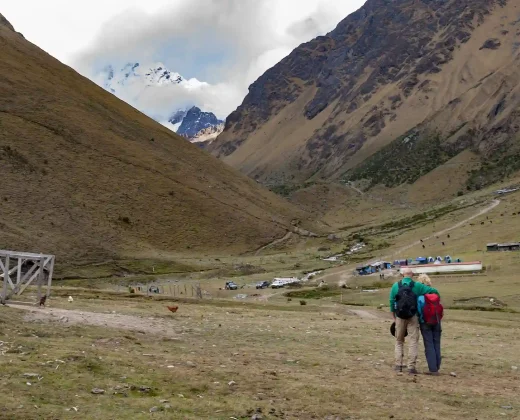
In the Andes, take time to acclimatize, rest, stay hydrated, and consider drinking mate de coca to help with altitude adjustment. In the jungle, avoid tap water and drink only safe, purified, bottled, or boiled water.
Final Travel Recommendations
To enjoy Manu safely and comfortably:
- Stay hydrated
- Use insect repellent regularly
- Avoid drinking untreated water
- Be cautious with raw foods
- Follow your guide’s instructions
- Bring biodegradable products
- Consult your doctor before traveling
These guidelines will help you prepare for a safe, responsible, and unforgettable experience in one of the most extraordinary rainforest destinations in the world.